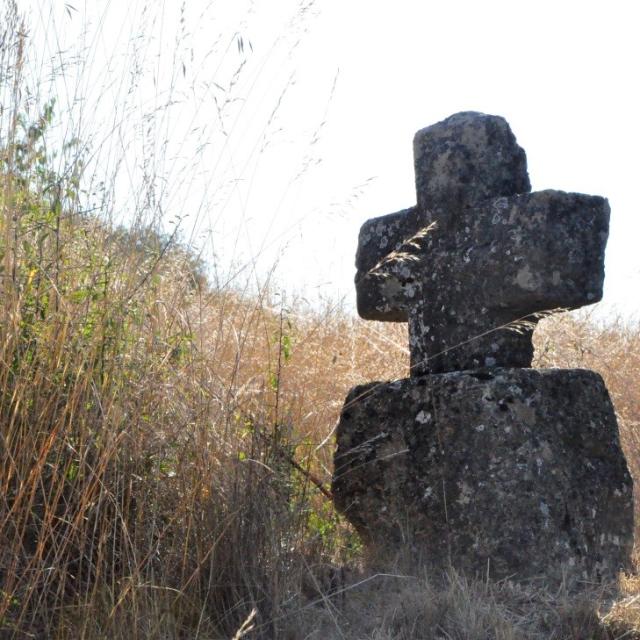
Along the way, you may also come across strange shapes carved into the rock: these are Merovingian tombs, known by oral tradition as “Jewish tombs”.
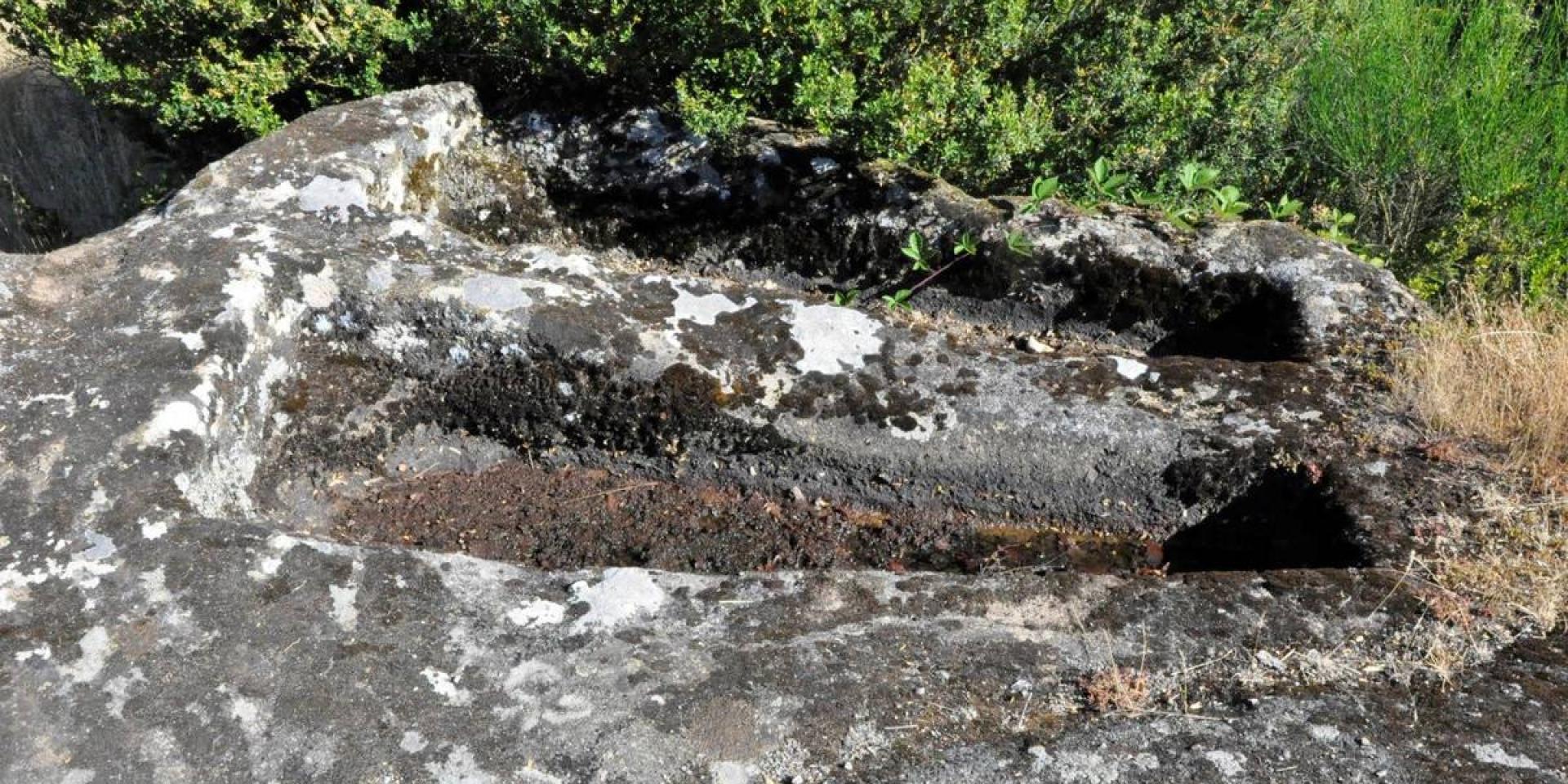
Grave
Merovingian heritage in the Lot Valley
On the trail of a mysterious era...The village of
Banassacin Merovingian times
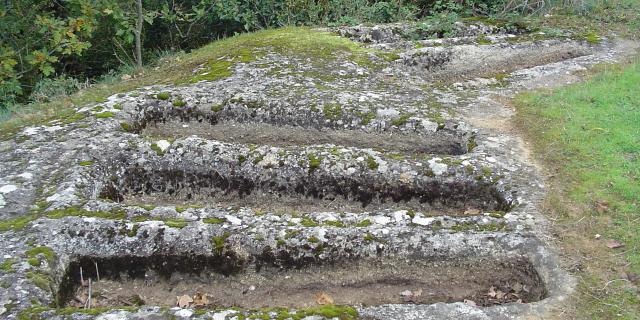
Merovingian tombs at La Tieule d'Auxillac in the Lot valley. Located on a hiking trail called "Les sentiers d'Auxillac".
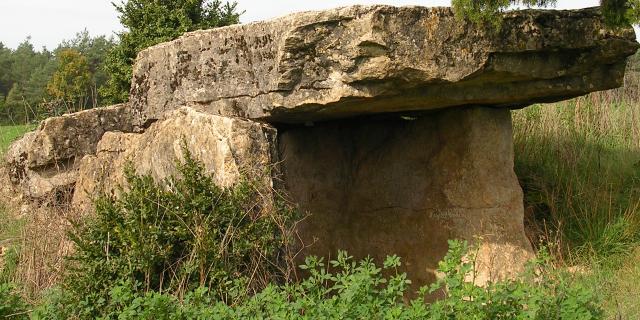
Dolmen de la Galine in the commune of Banassac - Canilhac in the Lot Valley
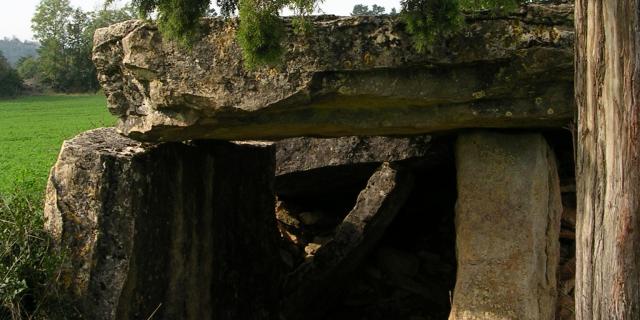
Dolmen de la Galline front view
The Merovingian Dynasty
A little history...
The Merovingian dynasty ruled much of France, Belgium, Switzerland and Germany from the 5th to the 8th century. Descended from a line of Frankish aristocrats of the Salian tribe, established in the 5th century in the Cambrai and Tournai regions of Belgium, it took its name from Merovetius, father of Childeric I, himself father of King Clovis. The Merovingian dynasty is known for its close ties with Christianity, notably through the famous baptism of Clovis in 498, but also for its participation in the gradual establishment of the Church in their territory. This period was also marked by an economic recovery following the collapse of the Roman Empire. The dynasty died out in the 8th century, to be succeeded by the Carolingian dynasty.
Banassac and coinage
Buried treasure
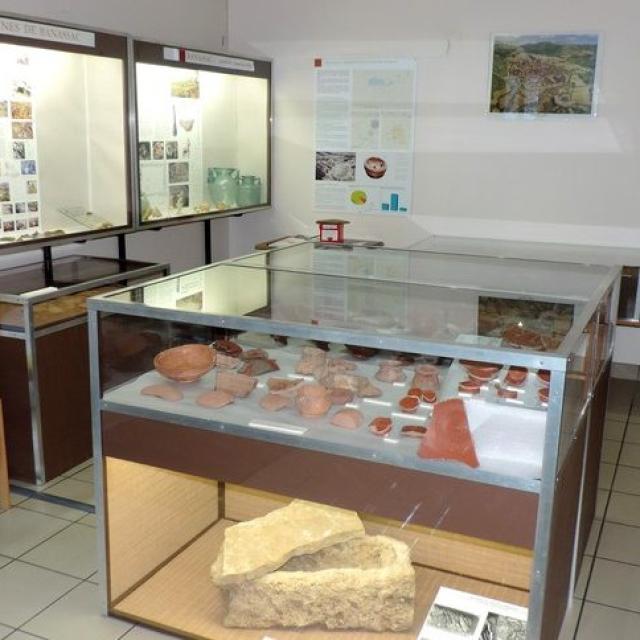
After having been the center of extremely active and renownedpottery workshops, Banassac became a very important monetary workshop center in Merovingian times. At the end of the 19th century, two famous numismatists, who wrote a classic work entitled “Les Monnaies Mérovingiennes de Banassac” (Merovingian Coins from Banassac), catalogued the coins found in Gévaudan. They classified them into 143 types, divided into 6 groups. The Banassac workshops are characterized by the Gévaudanese Chalice motif, which appears in all groups except the 1st.
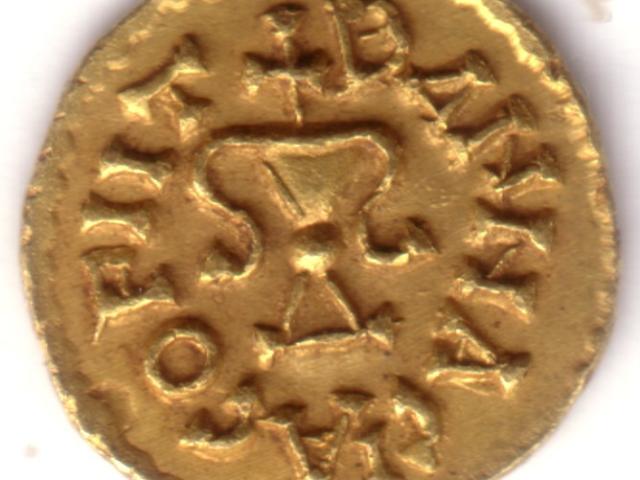
Maximinus Av
Prepare your stay in